The Allure of Chance and Risk
The thrill of the gamble is a major factor that attracts players to casino games. The inherent uncertainty of outcomes, whether it’s pulling the lever on a slot machine or placing a bet at the poker table, creates an adrenaline rush that many find irresistible. Interestingly, some players are now exploring the world of crypto casinos to enhance their gaming experience, further driving the demand for excitement and risk.
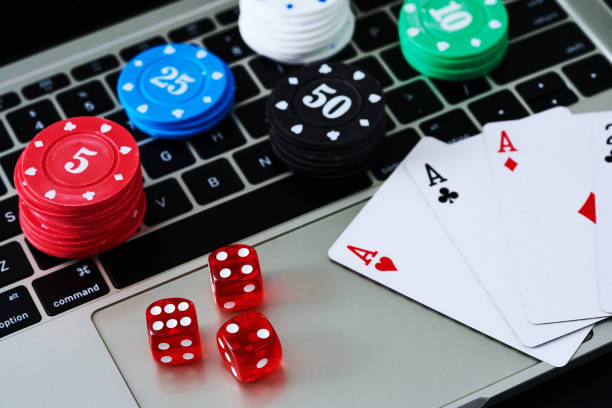
Moreover, the anticipation involved in waiting for the outcome can heighten emotional responses. Psychologists refer to this as the “near-miss effect,” where players feel a surge of exhilaration even when they come close to winning. This heightened state of arousal encourages players to continue engaging in the game, creating a cycle of repeated play and increased investment.
The Role of Social Interaction
Casino games often serve as social hubs where individuals can connect with others. The communal atmosphere of a gaming table or the vibrant environment of a casino can enhance the gaming experience, making it more than just a solitary activity. Players often enjoy the camaraderie formed through shared experiences, whether it’s celebrating a win or commiserating over a loss.
Additionally, social interactions can lead to increased confidence and feeling of belonging. Players may find themselves drawn to games not just for the chance to win money, but to be part of a larger community. This social aspect can be a powerful motivator, as sharing strategies and stories can enhance the overall enjoyment of the games.
The Influence of Design and Environment
The design of casino games is meticulously crafted to maximize player engagement. Bright lights, cheerful sounds, and captivating visuals are all employed to create an immersive environment that captures attention and stimulates the senses. This strategic design plays a significant role in keeping players entertained and encourages longer play sessions.
Furthermore, the layout of a casino is intentionally organized to maintain an atmosphere of excitement and intrigue. The positioning of games, the use of enticing decor, and even the placement of drinks and snacks are all designed to keep players inside the casino longer, increasing the likelihood of continued play. Such environmental psychology can directly affect a player’s decision-making process, leading them to spend more time and money.
The Psychology of Winning and Losing
The psychological impact of winning can be potent, often leading to feelings of euphoria and satisfaction that reinforce gambling behavior. This phenomenon is closely tied to the brain’s reward system, where winning releases dopamine, the “feel-good” neurotransmitter. This reaction reinforces the behavior, making players more likely to return for more, as they seek the same thrill associated with wins.
Conversely, losing can also have a profound psychological effect. While some individuals may recognize the losses as part of the game and limit their play, others can experience a phenomenon known as “loss chasing,” where they continue to gamble in hopes of recouping their losses. This cycle can lead to problematic gambling behaviors, illustrating the complex interplay between psychology and gambling outcomes.
Maintaining a Safe Gaming Experience
It’s essential to approach casino gaming with awareness and responsibility. The psychological factors that drive players can sometimes lead to excessive gambling or dependency. Therefore, casinos and online platforms must prioritize player safety by implementing strict regulations and offering support resources for those who might struggle with gambling addiction.
While casino games can be fun and exhilarating, understanding their psychological implications is crucial. By promoting responsible gaming practices and ensuring players have access to important resources, the gaming industry can create a safer environment for all participants, allowing players to enjoy the thrill of the game while maintaining control over their gaming habits.